Crustacean Meal Fertilizer 4-0-0
- Regular Price
- $ 24.99
- Sale Price
- $ 24.99
- Regular Price
- $ 19.99
Sold Out
- Unit Price
- per
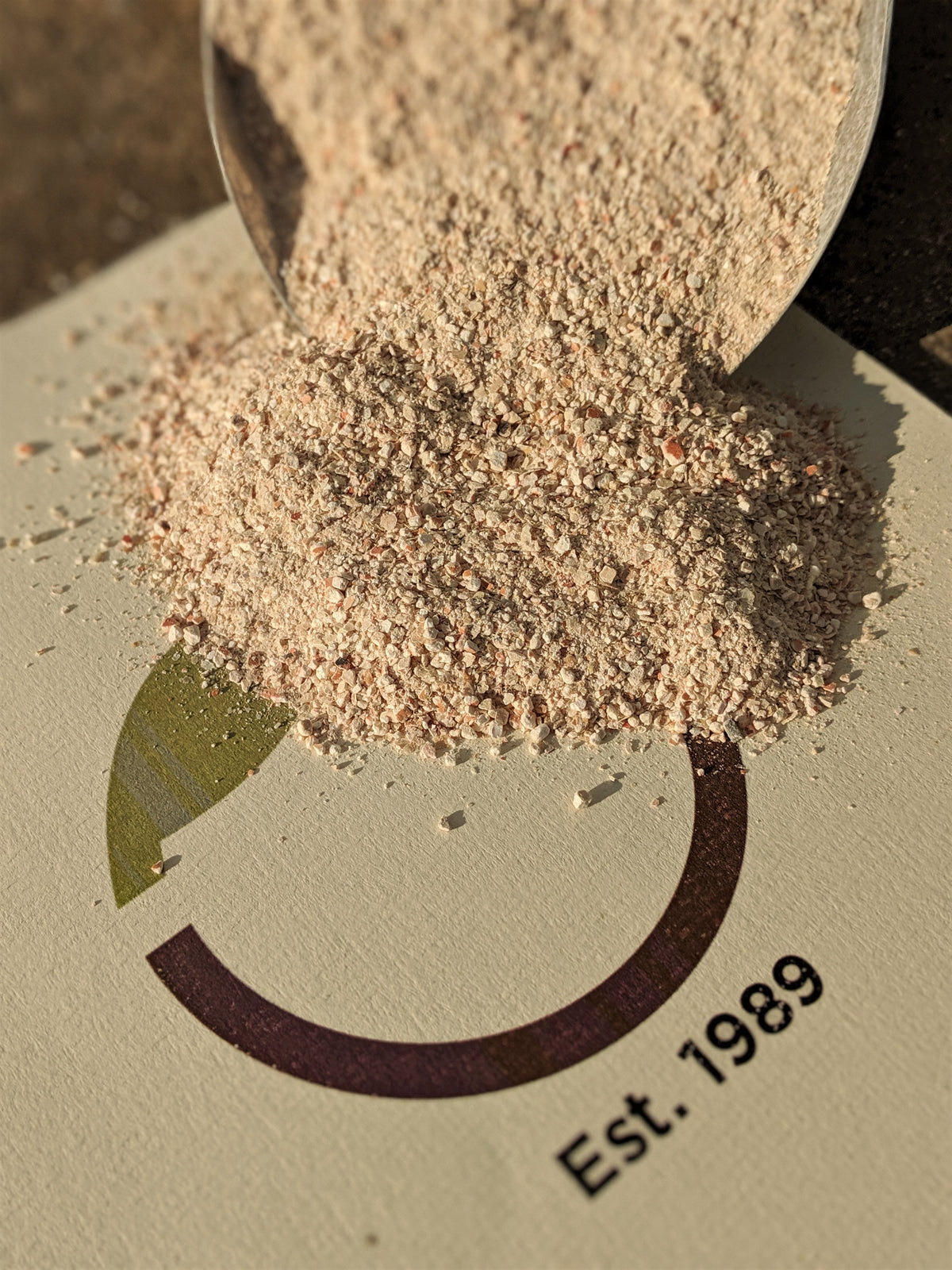
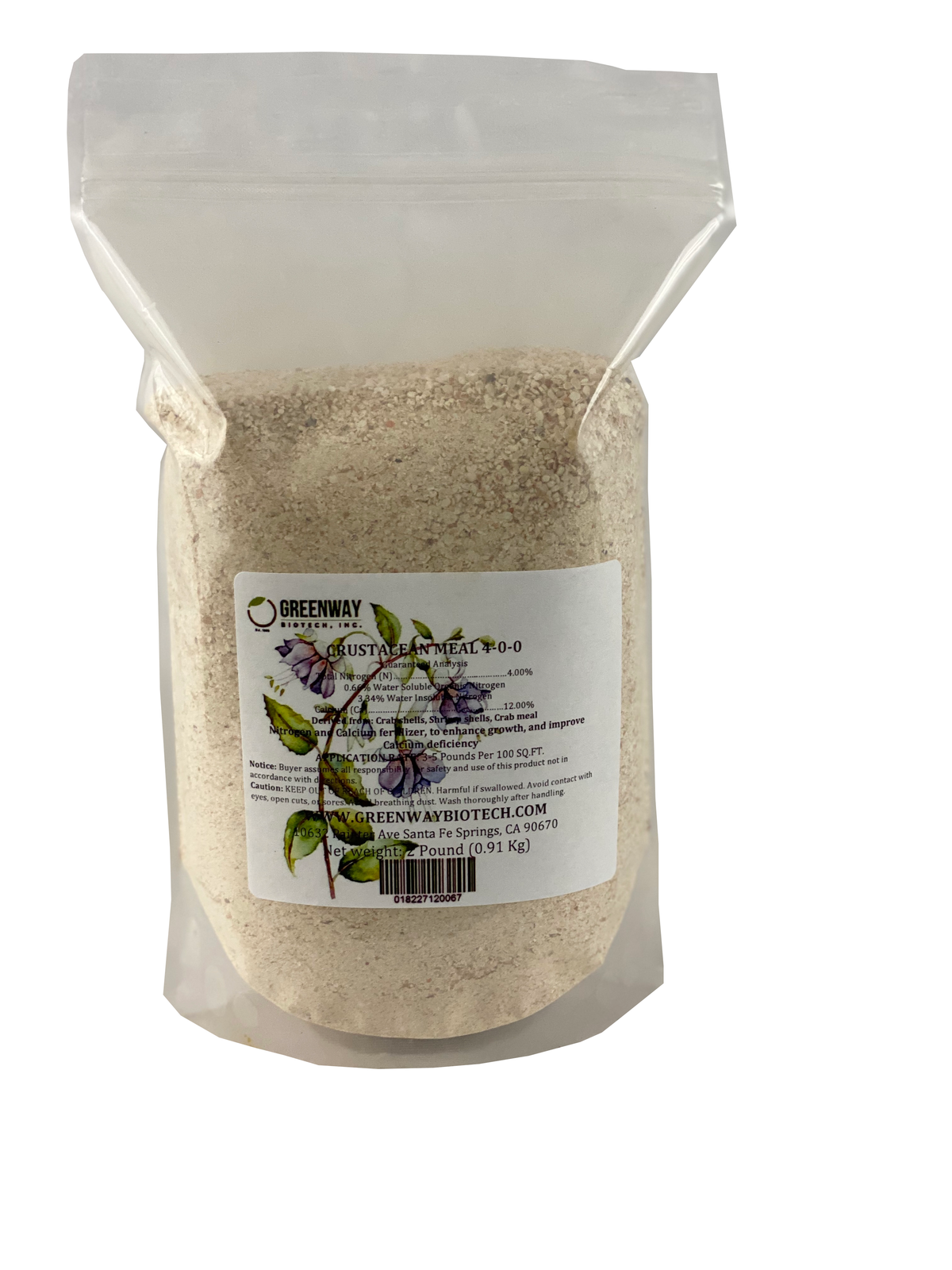
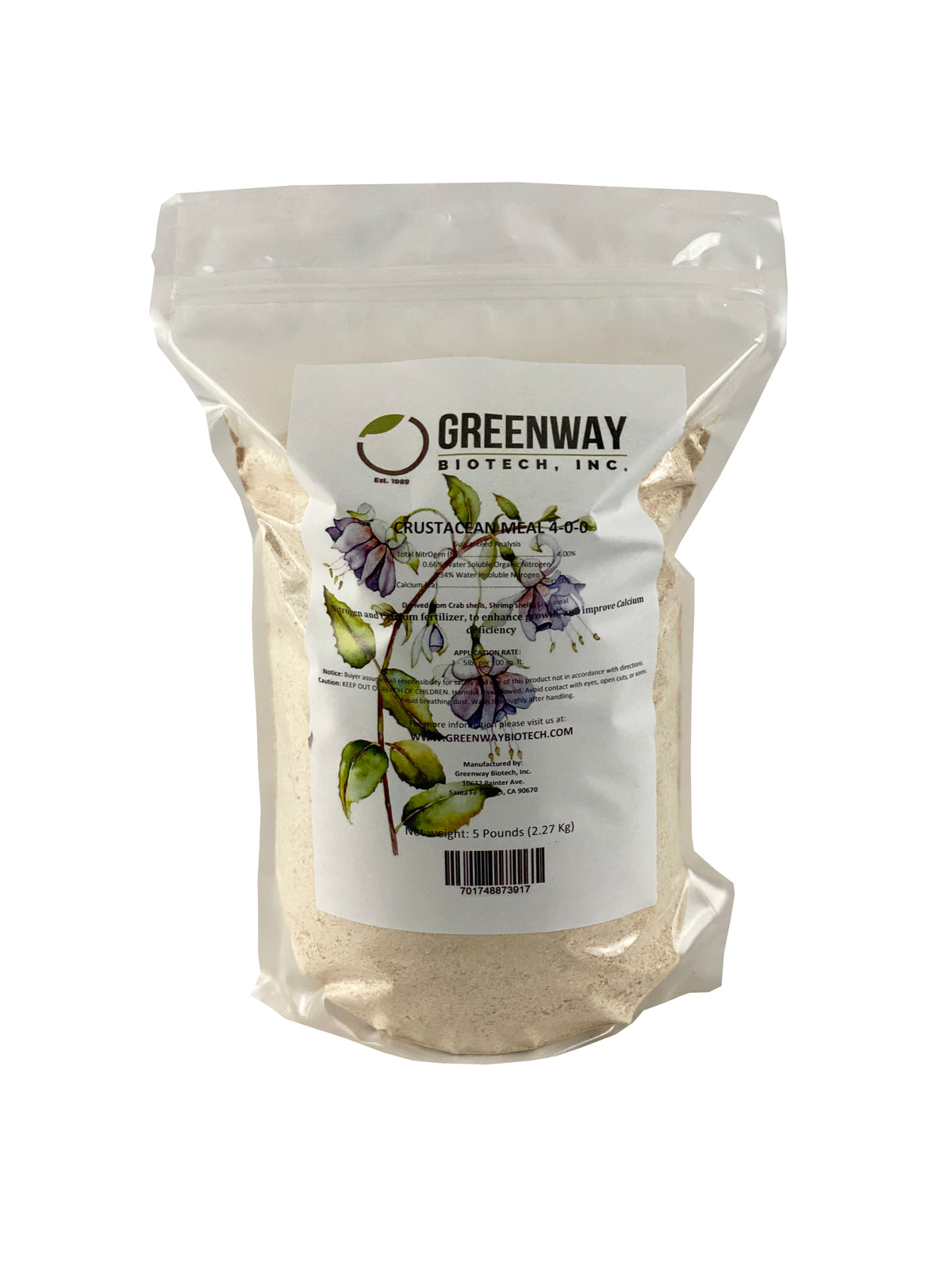
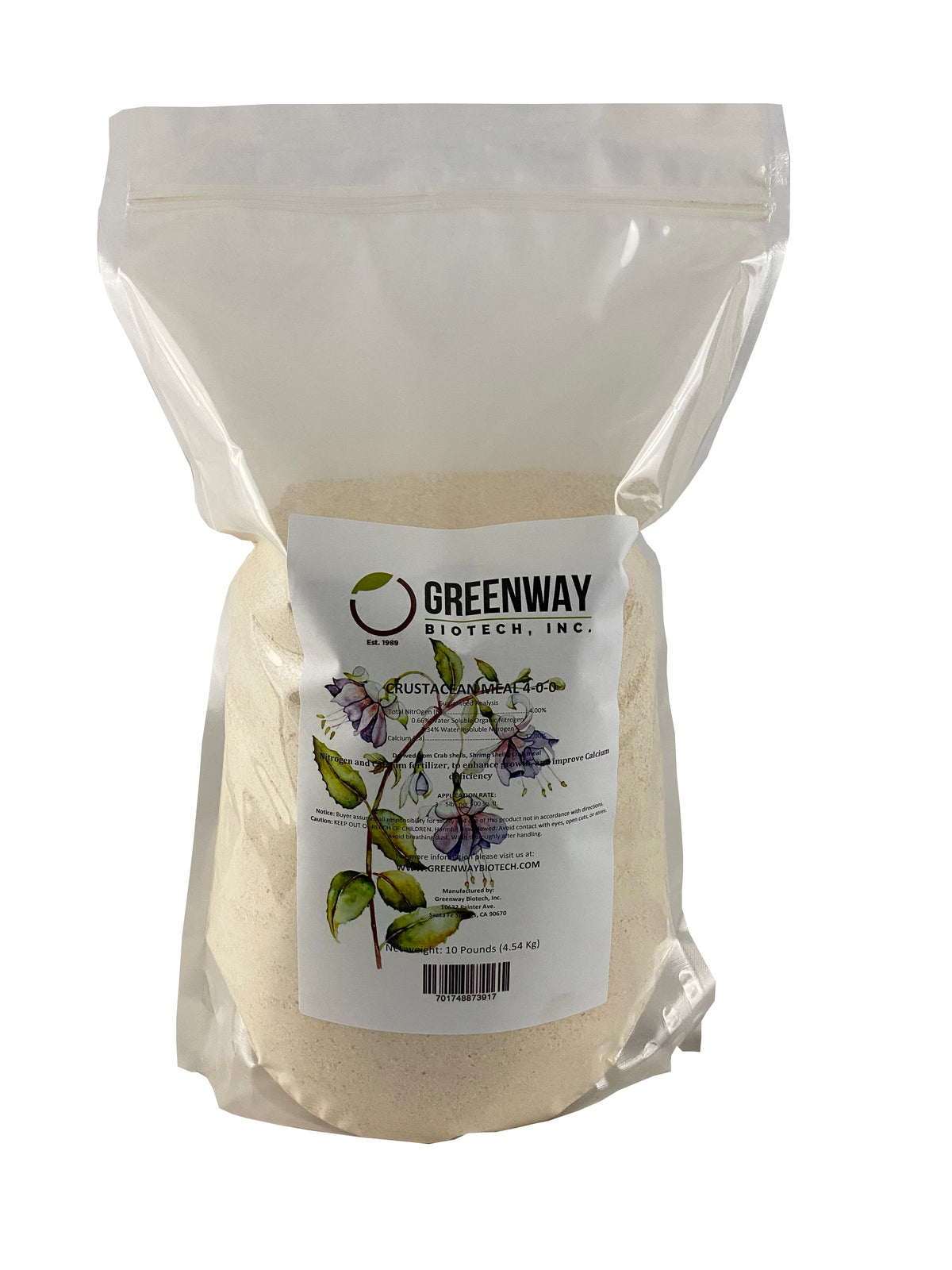
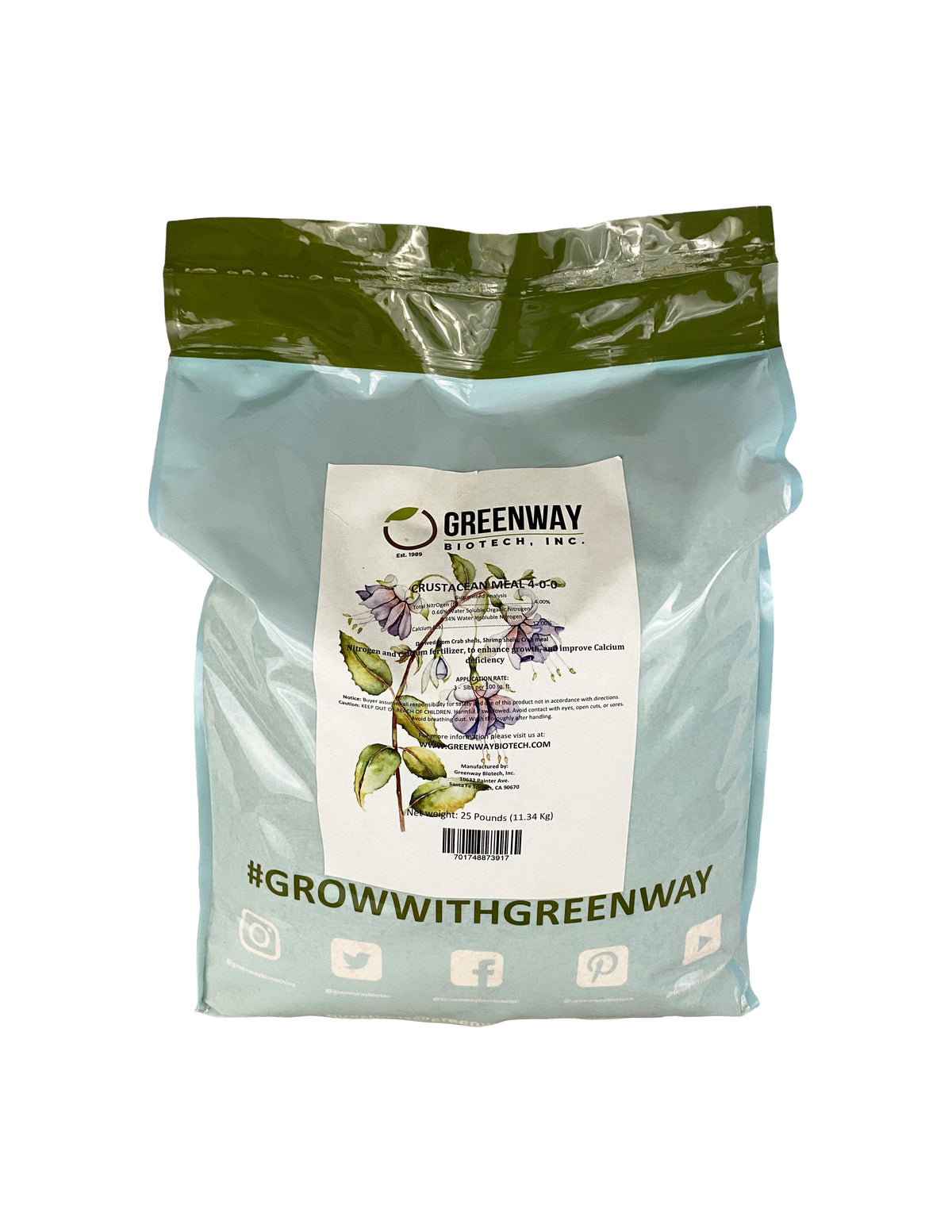
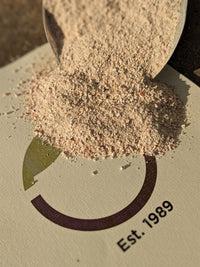
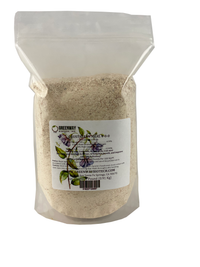
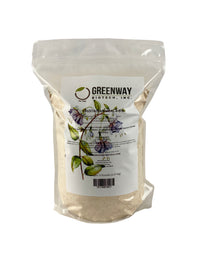
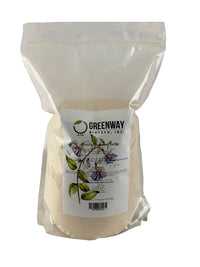
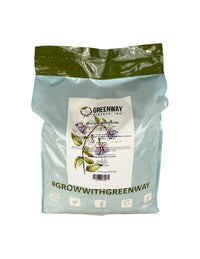
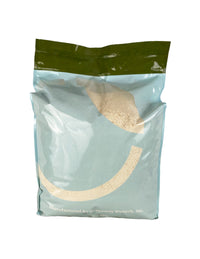
Premium crab and shrimp shell meal with 4% nitrogen, 12% calcium, 1.3% magnesium, and naturally occurring chitin — the structural fiber that feeds chitinase-producing soil microbes. CDFA registered, independently lab tested for heavy metals, and packaged in Madera, California.
Find your size → Calculate how much I need4%
Slow-release organic nitrogen
12%
Calcium for cell wall integrity
1.3%
Magnesium for chlorophyll
2–3mo
Microbial release window
Coverage figures below assume garden incorporation at the standard rate (5–10 lb per 100 sq ft per Planet Natural / Peaceful Valley; 5 lb per 100 sq ft per Down to Earth). Heavy-feeding crops and chitin-targeted applications run on the upper end — adjust per a current soil test.
| Bag Size | Garden Coverage (5–10 lb / 100 sq ft) | Container Volume (1 tbsp/gal mix) | Best For |
|---|---|---|---|
| 2 lb | ~20–40 sq ft | ~64 gallons of potting mix | Patio containers, raised-bed top-up |
| 5 lb | ~50–100 sq ft | ~160 gallons of potting mix | Most popular — small vegetable beds |
| 10 lb | ~100–200 sq ft | ~320 gallons of potting mix | One full raised bed or 5–10 fruit trees |
| 25 lb | ~250–500 sq ft | ~800 gallons of potting mix | Multiple beds or orchard rows |
| 50 lb | ~500–1,000 sq ft | ~1,600 gallons of potting mix | Best value — market gardens, small acreage |
Crustacean meal is one of the few amendments that delivers organic nitrogen, structural calcium, and chitin in a single product. Each use case below leverages a different combination of those three.
Pre-plant incorporation at 5–10 lb per 100 sq ft 4–6 weeks before planting. Standard garden rate for tomatoes, peppers, brassicas, and root crops.
1–2 lb per inch of trunk diameter, spread from the base to the drip line. New trees take 1–2 cups mixed into the backfill.
1–2 tbsp per gallon of soil at planting, or 5 lb per cubic yard of media. Top-dress established pots every 4–6 weeks.
1–2 tbsp per planting hole, mixed into the backfill and watered in well. Calcium and chitin support root-zone establishment.
300–500 lb per acre banded in-row 4–6 weeks pre-plant. The peer-reviewed chitin amendment rate — not the N rate.
Roughly ½ cup per cubic foot (Fedco). The nitrogen and chitin accelerate decomposition and enrich the finished compost.
Most organic nitrogen sources deliver no calcium. Most calcium sources deliver no nitrogen. Crustacean meal is one of the few amendments that delivers both — plus chitin, the structural polysaccharide that no other common fertilizer supplies in meaningful quantity.
Nitrogen is locked in the protein matrix of crustacean shells. Soil microbes break it down gradually over 2–3 months — the literature describes crustacean meal as ~75–85% water-insoluble N, so first-season availability is partial. In warm, biologically active soils, budget 40–60% of the rated N as available in the year of application. Apply 4–6 weeks ahead of planting.
Calcium is essential for cell wall pectin cross-linking, membrane integrity, and fruit cell expansion. At 12% Ca, a 1,000 lb/ac application delivers ~120 lb Ca/ac — meaningful, and worth accounting for on already-calcareous soils. Adequate fruit calcium nutrition can contribute to lower blossom end rot incidence in tomatoes, peppers, and squash.
Chitin is the second most abundant polysaccharide on earth after cellulose, and the structural fiber of crustacean exoskeletons. Research suggests soil amendment with chitin stimulates populations of chitinase-producing bacteria and fungi — including Actinobacteriota and Firmicutes — that may contribute to a more biologically active rhizosphere. For deeper background, see The Benefits of Chitin for Healthy Plants.
Unlike dolomite lime or oyster shell, crustacean meal has minimal effect on soil pH. Gardeners with well-balanced or already-alkaline soils can add calcium without pushing pH higher. If you need to raise soil pH significantly, Dolomite Lime is the appropriate amendment.
Registered with the California Department of Food and Agriculture, meeting strict labeling and composition standards. Independently lab tested for heavy metal content with results consistently well below required limits.
Made from crab and shrimp shells — byproducts of the seafood processing industry that would otherwise be landfilled. Crustacean meal returns marine-derived nitrogen, calcium, and chitin back to terrestrial soils, closing a nutrient loop with no synthetic inputs.
C8H13NO5chitin monomer
N-acetylglucosamine — the building block of crustacean shells
Chitin is a long-chain polysaccharide of N-acetylglucosamine units, the structural fiber in crustacean exoskeletons, insect cuticles, and many fungal cell walls. Unlike cellulose, it carries a nitrogen atom on every monomer, giving it a low C:N ratio (~4:1) and making it a substrate that soil microbes can colonize aggressively without immobilizing nitrogen the way high-carbon residues do.
When chitin enters the soil, it selectively stimulates populations of chitinase-producing organisms — Actinobacteriota, Firmicutes, and certain fungi. A 2025 cucumber pot trial published in Scientific Reports reported that chitin shell meal amendments shifted soil microbial communities dose-dependently and were associated with stronger plant growth at the higher amendment rates tested. Earlier work on root-knot nematode pressure in eggplant (Khan et al.) reported significant reductions in root galling with crab and shrimp powder amendments compared to untreated controls.
Practical implication for the grower: crustacean meal is best thought of as a slow-release nitrogen + calcium fertilizer that also provides chitin as a soil biology amendment. The N rate logic is straightforward; the chitin rate logic is different — nematode and microbiome effects in the literature use 0.1–1.0% of soil weight (equivalent to thousands of lb per acre), so practical field use targets 300–500 lb/ac banded in-row for a partial response. Caution on legumes: Horiuchi’s soybean nodulation work showed reduced nodulation above 0.5% w/w, so legume applications should stay at the low end.
For broader context on how soil biology drives nutrient cycling, see Soil Microbes & Plant Health and Best Nitrogen Fertilizer for Your Garden.
Rates below are drawn from university extension guidance, industry product labels, and the peer-reviewed chitin literature. Pick the tab that matches your job — the chitin/nematode tab uses a different rate logic than the standard nitrogen-budget tabs.
Quick answer: 5–10 lb per 100 sq ft, worked into the top 3–6 inches of soil 4–6 weeks before planting.
| Use | Rate | Source | Notes |
|---|---|---|---|
| Broadcast & incorporate, garden beds | 5–10 lb per 100 sq ft | Planet Natural / Peaceful Valley | Hoe or rake into top 4–6 inches of soil; 4–6 weeks pre-plant |
| New vegetable beds (general purpose) | 5 lb per 100 sq ft | Down to Earth label | Mixed into top 3 inches |
| Transplant holes | 1–2 tbsp per hole | Down to Earth label | Mix into backfill; water in well |
| Side-dress, established plants | 2–4 oz per plant, monthly | Down to Earth label | Work lightly into soil surface during the growing season |
| Heavy-feeding crops (cannabis, brassicas) | ~60 lb per 1,000 sq ft | Fedco / Biogreaux | Or per soil test — roughly 2,600 lb/ac equivalent |
📋 Soil Test First: Rates above are general guidelines based on typical garden conditions. Actual rates should be confirmed by a current soil test and consultation with your local cooperative extension service, since needs vary significantly by soil type, crop, and prior amendment history. Crustacean meal at 4% N is best used as a supplemental amendment alongside other organic sources rather than as the sole N source on large acreage.
Sources: Planet Natural / Peaceful Valley garden guide; Down to Earth Distributors product label; Fedco Seeds / Biogreaux application guidance.
Quick answer: 1–2 tbsp per gallon of potting mix at planting, or 5 lb per cubic yard of media.
| Method | Rate | Source | Notes |
|---|---|---|---|
| Mix into potting media at planting | 1–2 tbsp per gallon of soil | Down to Earth label | Blend thoroughly with media before filling the container |
| Bulk potting mix preparation | 5 lb per cubic yard of media | Down to Earth label | Pre-blend with peat, perlite, and compost components |
| Top-dress established pots | ~1 tsp per gallon of soil | Greenway Biotech guidance | Work into the top inch of soil; reapply every 4–6 weeks during active growth |
Note: Container plants benefit from the slow-release nitrogen and calcium without the pH risk of lime-based calcium sources. Water thoroughly after application to activate microbial breakdown.
Sources: Down to Earth Distributors product label; Greenway Biotech container guidance.
Quick answer: 1–2 lb per inch of trunk diameter, spread from the base to the drip line. New trees take 1–2 cups mixed into the backfill.
| Plant Stage | Rate | Source | Notes |
|---|---|---|---|
| New tree or shrub at planting | 1–2 cups per planting hole | Down to Earth label | Mix with backfill; water in well |
| Established trees & shrubs | 1–2 lb per inch of trunk diameter | Down to Earth label | Spread from base to drip line; lightly incorporate into top 2″ of soil |
| Berry bushes (blueberry, raspberry, etc.) | 0.5–1 lb per plant | Greenway Biotech / Down to Earth label | Apply in early spring before new growth |
Note: Split larger annual rates across two applications — one at bud break in spring and one in early summer — for more even nutrient availability through the growing season.
Sources: Down to Earth Distributors product label; Greenway Biotech berry guidance.
Quick answer: 500–1,000 lb per acre broadcast and incorporated, or calculate from soil test N target.
| N Target | Crustacean Meal 4-0-0 Needed | Source | Notes |
|---|---|---|---|
| Row crops, general guideline | 500–1,000 lb per acre | Down to Earth label | Broadcast and incorporate; adjust by crop demand and soil test |
| 50 lb N/ac target | ~1,250 lb per acre | Standard organic-N math | (50 lb N × 100) ÷ 4% N = 1,250 lb product |
| 100 lb N/ac target | ~2,500 lb per acre | Standard organic-N math | Budget 40–60% first-season availability; apply 4–6 weeks pre-plant |
| 150 lb N/ac target | ~3,750 lb per acre | Standard organic-N math | Often more economical to pair with feather meal 12-0-0 at this rate |
📋 Soil Test First: Field crop application rates above are general guidelines based on typical soil test levels and crop removal estimates. Actual rates should be confirmed by a current soil test and consultation with your local cooperative extension service, as needs vary significantly by soil type, crop variety, and regional conditions. Note: crustacean meal at 4% N is typically used as a supplemental amendment — for primary N supply on large acreage, growers often pair it with higher-N organic sources like Feather Meal 12-0-0 or Blood Meal 13-0-0.
Sources: Down to Earth Distributors product label; standard organic N-budget calculation per university extension guidance.
Quick answer: 300–500 lb per acre banded in-row, 4–6 weeks pre-plant. This is a chitin amendment rate, not an N rate.
| Application | Rate | Source | Notes |
|---|---|---|---|
| Practical field banding for chitin benefit | 300–500 lb per acre, in-row | Industry consensus / Down to Earth label | 4–6 weeks pre-plant; broadcast at this rate dilutes the chitin too much for a strong response |
| Pot trial — cucumber, root-knot nematode | Up to 4% w/w of soil | 2025 Scientific Reports (cucumber pot trial) | 4% rate yielded the greatest growth and nematode-suppression response in the trial |
| Pot trial — eggplant / M. incognita | Crab and shrimp powder amendments | Khan et al., brinjal greenhouse trial | Significant reductions in root galling vs. control (p < 0.05); crab powder produced highest shoot and root growth |
| Legume cap (soybean nodulation) | Stay at or below ~0.3% w/w | Horiuchi soybean nodulation study | 0.1–0.3% stimulated nodulation; 0.5–1.0% reduced nodulation and dry matter |
⚠ Read this carefully: Peer-reviewed nematode-suppression rates expressed as “% by weight of soil” convert to very high field-equivalent numbers (0.1% w/w of the top 6″ of soil ≈ 2,000 lb/ac; 0.3% ≈ 6,000 lb/ac). The 300–500 lb/ac banded rate is a practical compromise that delivers a partial chitin response without the cost of full pot-trial rates. Phytotoxicity has been reported at high w/w rates on sensitive crops — prawn/shrimp powder at 1% w/w was phytotoxic on chickpea in one trial. Use the legume cap and start conservatively on unfamiliar crops.
Sources: 2025 cucumber pot trial (Scientific Reports); Khan et al. brinjal/M. incognita greenhouse trial; Horiuchi soybean nodulation study; Down to Earth Distributors product label.
Quick answer: Roughly ½ cup per cubic foot of compost mix, layered between carbon-rich materials.
| Compost Volume | Rate | Source | Notes |
|---|---|---|---|
| Per cubic foot of mix | ~½ cup | Fedco Seeds | Layer between carbon-rich materials (leaves, straw, cardboard) |
| Per cubic yard of mix | ~8–10 lb (volume basis) | Derived from Fedco | 27 cubic feet per yard; turn the pile regularly to incorporate evenly |
Note: The nitrogen and chitin in crustacean meal accelerate decomposition and enrich the finished compost. Keep the pile moist and turn regularly for best results.
Sources: Fedco Seeds compost activator guidance.
Crustacean meal is a soil amendment, not a foliar spray. Microbial release drives nutrient availability, so timing and soil temperature matter as much as rate.
Calculate square footage (beds), gallons (containers), trunk diameter (trees), or cubic yards (compost). The calculator at right handles all four.
Spread evenly over the area, then rake or till into the top 3–6 inches of soil. Incorporation matters — surface application slows nutrient release and amplifies the seafood odor.
Water activates the soil microbes that drive nutrient release. Keep the soil evenly moist through the establishment period. Soil temperatures above 50°F support full microbial breakdown.
Pre-plant timing allows protein hydrolysis to begin and minimizes odor. For side-dress and top-dress applications, water in immediately and resume normal irrigation. NOT for foliar spraying.
Crustacean meal is one of the few amendments that bundles nitrogen, calcium, and a soil-biology amendment in one product — but it’s not always the right tool. Here’s how it stacks up.
| Product | NPK | Calcium | Release Speed | Best For |
|---|---|---|---|---|
| Crustacean Meal 4-0-0 (this product) | 4-0-0 | 12% | Slow (2–3 mo) | Nitrogen + calcium + chitin in one amendment; pre-plant bed prep, transplant calcium, soil biology |
| Blood Meal 13-0-0 | 13-0-0 | None | Fast (1–3 wk) | Quick nitrogen green-up; mid-season correction; leafy crops |
| Feather Meal 12-0-0 | 12-0-0 | Trace | Slow (3–5 mo) | Season-long nitrogen for heavy feeders; orchards, perennials |
| Bone Meal 3-15-0 | 3-15-0 | 24% | Slow (3–4 mo) | Phosphate + calcium for root, bloom, and bulb development |
| Dolomite Lime | 0-0-0 | ~22% Ca, ~12% Mg | Slow (months) | Raising soil pH; calcium + magnesium without N or P |
Crustacean meal is excellent for a specific set of jobs and a poor fit for others. Pick honestly — the right tool for the job converts better than the wrong one bought twice.
At 4-0-0, crustacean meal supplies nitrogen and calcium but no phosphorus or potassium. Build a balanced organic program by pairing with the products below.
Adds 15% available phosphate and 24% calcium for root development, flowering, and fruit set — the nutrient crustacean meal doesn’t supply.
Potassium + TraceContributes potassium plus 60+ trace minerals and natural growth hormones for balanced crop nutrition.
Fast NitrogenFast-release organic nitrogen for heavy feeders or mid-season greening when slow-release nitrogen isn’t enough.
Soluble Calcium + SAdditional water-soluble calcium and sulfur for heavy clay soils, improved drainage, and faster calcium availability than meals.
Crustacean meal is a benign soil amendment, but it’s an animal-derived product with a strong seafood odor — a few handling rules keep both gardeners and pets safe.
If your question isn’t here, contact our team at questions@greenwaybiotech.com.
Crustacean meal is made from dried, ground crab and shrimp shells — byproducts of the seafood processing industry. It naturally contains 4% nitrogen, 12% calcium, and 1.3% magnesium, along with chitin, the structural polysaccharide in crustacean exoskeletons. The nitrogen is locked in a protein matrix and is released gradually over 2–3 months as soil microbes break the material down. For deeper background, see The Benefits of Chitin for Healthy Plants.
Chitin is the second most abundant polysaccharide on earth after cellulose. When added to soil, research suggests it stimulates populations of chitinase-producing bacteria and fungi — including Actinobacteriota and Firmicutes — that may contribute to a more biologically active root zone. This is an indirect biological effect that develops over several weeks as microbial populations respond to the chitin substrate. Peer-reviewed pot trials on cucumber and eggplant have reported associations between chitin amendment and reduced root-knot nematode galling, though field-scale responses are partial at practical application rates.
Crustacean meal is a slow-release amendment with only 4% nitrogen, making it very unlikely to cause fertilizer burn when used at recommended rates. Nutrients are released gradually through microbial breakdown over 2–3 months. The much higher risk is on legumes at very high rates — published research shows reduced nodulation above ~0.5% w/w of soil. For legumes, stay at the low end (around 0.3% w/w or roughly 500 lb/ac and below).
The standard garden rate is 5–10 lb per 100 sq ft, broadcast and worked into the top 3–6 inches of soil 4–6 weeks before planting (Planet Natural / Peaceful Valley; Down to Earth label). Heavy-feeding crops like brassicas and root crops can use the upper end of that range, while lighter feeders and maintenance applications run closer to 5 lb. For transplants, 1–2 tbsp per planting hole is the standard add-in.
Yes — crustacean meal has a seafood odor, similar to dried shrimp or crab. The smell is most noticeable when the bag is first opened and immediately after application. Incorporating the meal into the top 3–6 inches of soil (rather than leaving it on the surface) and watering it in thoroughly will significantly reduce odor. The scent dissipates within a few days as the material begins to break down. It is noticeably milder than fish meal or blood meal.
When applied as directed and watered into the soil, crustacean meal is generally safe in gardens with pets. However, the seafood scent may attract dogs and other animals, so water the product in well after application and monitor pets in the area for the first day or two. Discourage direct consumption of the meal in large amounts. Keep bags stored securely away from pets.
Crustacean meal has minimal impact on soil pH — unlike lime-based calcium sources such as dolomite or oyster shell, which actively raise pH. This makes crustacean meal a good calcium source for gardeners who need calcium without disturbing a well-balanced or already-alkaline soil pH. If you need to raise soil pH significantly, Dolomite Lime is the appropriate amendment.
No — crustacean meal is rated 4-0-0, meaning it contains no significant available phosphate (P₂O₅) or soluble potash (K₂O). For crops with high phosphorus demand (flowering annuals, fruiting vegetables, bulb crops), pair with Bone Meal 3-15-0 or Fish Bone Meal 4-17-0. For potassium, Kelp Meal 2-0-4 or Potassium Sulfate 0-0-53 are good organic-compatible options.
Research suggests crustacean meal’s chitin content can contribute to suppression of root-knot nematodes by stimulating chitinase-producing soil organisms. Peer-reviewed pot trials (a 2025 cucumber study in Scientific Reports; brinjal/M. incognita work) report significant reductions in root galling vs. controls at high w/w rates. Practical field use targets 300–500 lb per acre banded in-row, 4–6 weeks pre-plant — a compromise that delivers a partial response without the cost of full pot-trial rates. Broadcast applications at the same rate dilute the chitin too much to fire the same microbiome response.
Crustacean meal contains 4% N, vs. 13% for blood meal and 12% for feather meal — so for the same N target you need roughly 3× more product. At 50 lb N/ac that’s about 1,250 lb of crustacean meal vs. ~385 lb of feather meal. This is why crustacean meal is most often used as a supplemental amendment for its calcium and chitin contributions, with the main N supply coming from more concentrated organic sources like Feather Meal 12-0-0 or Blood Meal 13-0-0. For more on the trade-offs, see Best Nitrogen Fertilizer for Your Garden.
Crustacean meal ships in 2-lb to 50-lb bags — from the patio container all the way up to small acreage. Free shipping on orders over $100, and every order is backed by our 90-day money-back guarantee.
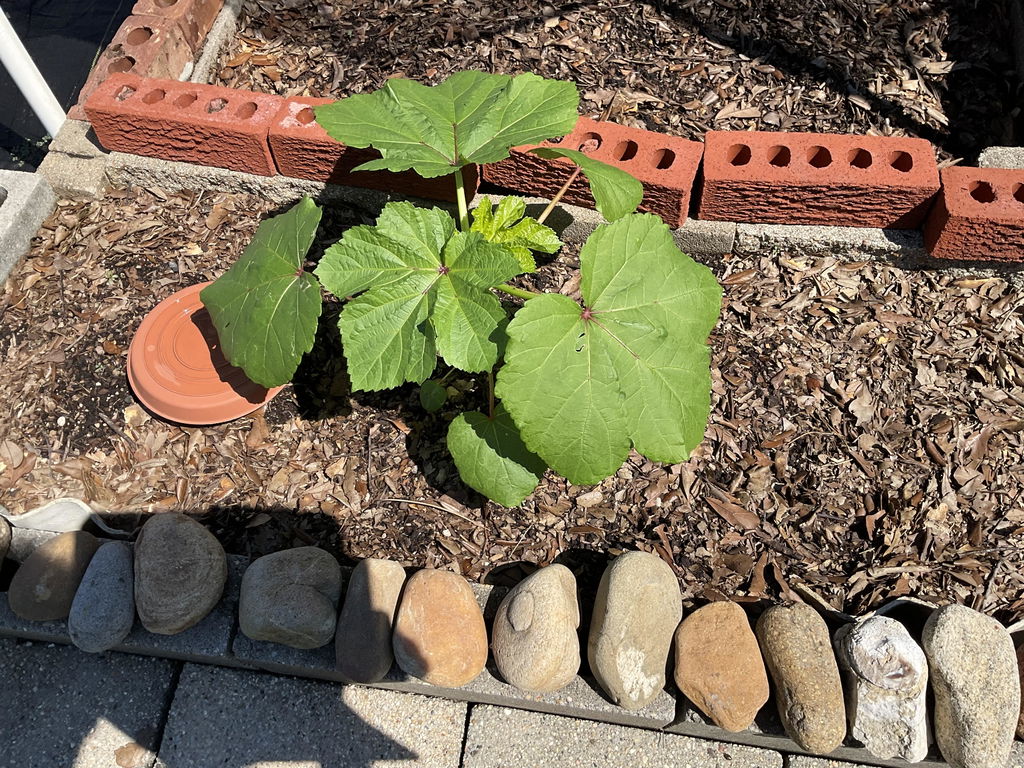
Choose your size →The crustacean meal was added to the okra seedlings. Within a week there was a very noticeable change. The foliage was larger and new sprouts were seen. I bought this product to combat the nematodes that were in the garden and showed up later after the plant was producing the pods. I will used in the fall on the other transplants.
Great stuff for revitalizing my garden soil. I have root knot nematodes and hopefully this will help suppress them.
I just started using it on my crops. we'll see how it goes at harvest.
So far so good. I'm using it in my amendment so it's hard to say that it alone I making a difference. But I love your ptoducts.
We use this product for nematode control... it works. Besides protecting the plant roots so they stay healthy it fertilizes as well. Great product!
Everything 100% and a good deal to boot.